
Sber's AI assistant will assess the insurance value of exhibits at Peterhof
On October 30, 2026, at the SberPro Tech conference, an AI assistant was presented for assessing the insurance value of cultural valuables at the Peterhof Museum-Reserve. The museum will be able to receive a report with justification in minutes.
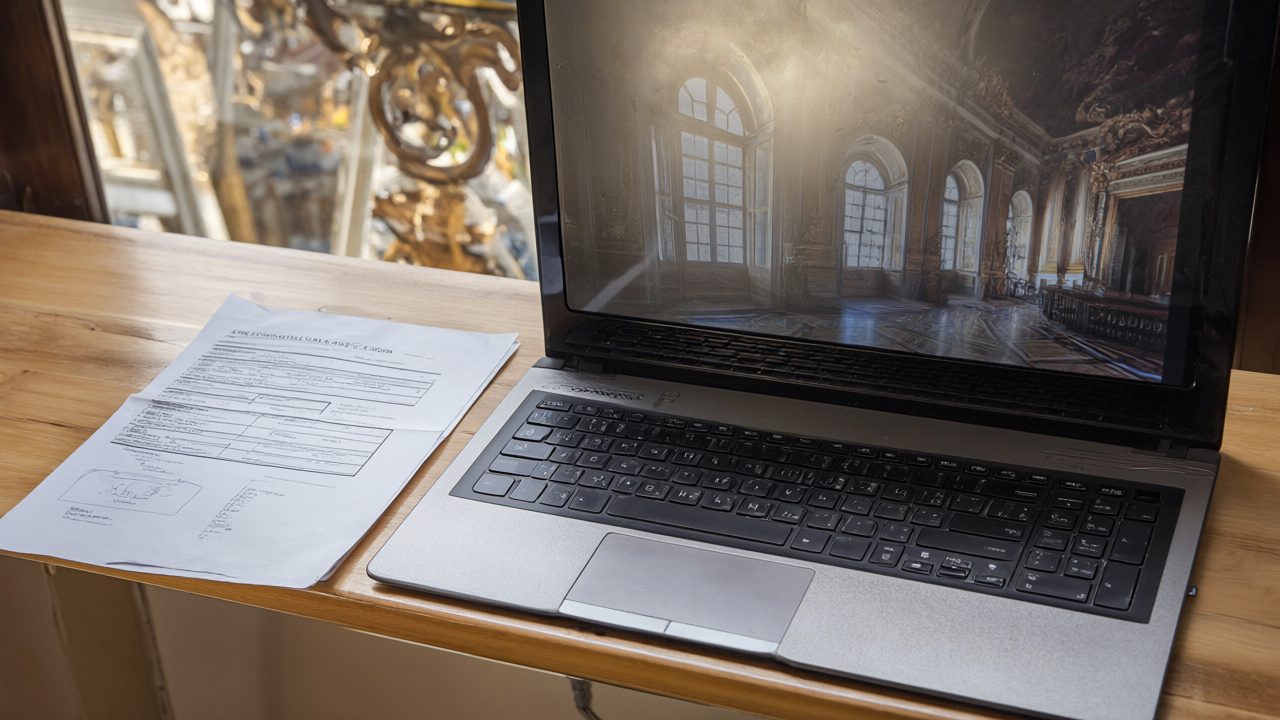
On October 30, 2026, at the SberPro Tech conference, Sber presented an AI assistant for the Peterhof Museum-Reserve. The tool assesses the insurance value of cultural valuables. This was reported by Kommersant St. Petersburg.
According to the source, the museum can now receive a transparent report with justification in minutes. In the press release, this is presented as accelerating the procedure and the opportunity to "confidently insure the national heritage."
What exactly the assistant does is not disclosed. It is not stated what data it was trained on, which features of an exhibit it takes into account, or how it forms the justification. It is not specified whether this involves computer vision (image analysis), work with text descriptions, or a hybrid scheme.
What to compare it with is also a question. How the museum assessed insurance value before the assistant appeared is not described in the note. Typically, the valuation of cultural valuables relies on expertise: attribution, condition, provenance, and market analogues. To what extent the AI assistant reproduces this logic is unclear from the primary source.
The word "transparent" in the press release should be read literally: the report contains a justification. But whether this justification corresponds to the insurer's methodology is an open question. Insurance value is not a market price and not an appraised value for museum accounting. It is the amount for which an exhibit is insured, and it is usually agreed with the insurance company.
In practice, everything comes down to timelines. If the report is indeed prepared in minutes, the museum can arrange insurance faster—for example, before an exhibition, transportation, or temporary movement of an item. But whether the insurance side will accept such a report is not clarified by the source.
Another practical point is liability. Who is responsible for an error in the valuation if it affects the insured amount is not stated in the note.
It remains unknown how many exhibits the system covers, whether it was tested on real insurance cases, and which categories of items are included in it. There is also no data on development cost or implementation timelines.