
Runware is building a factory to assemble modular data centers for AI
Runware plans to produce ready-made data centers on an assembly line, like cars. The goal is 30 MW of capacity per day by 2028, but the scale has not yet been confirmed.
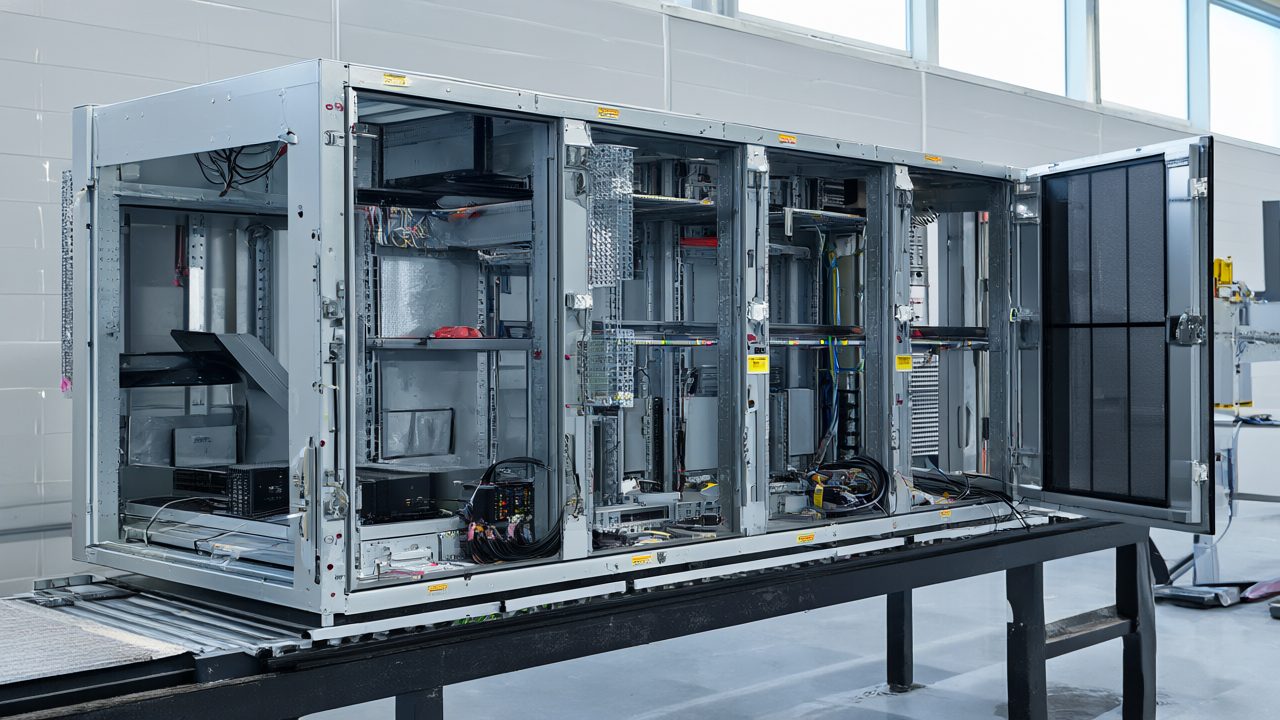
On October 30, 2026, Runware, a company working in AI infrastructure, told TechCrunch that it is building a factory to assemble modular data centers on a production line. This refers to a conveyor where compute modules are assembled from ready-made blocks, rather than constructing buildings on a customer's site. According to the company, this approach should speed up delivery.
Runware already has a product — Sonic Inference Pod, a modular data center that is assembled at a factory and shipped to the customer ready for installation. It was introduced several months earlier. The new plan is not to produce individual modules, but to put their production on a flow line.
The idea is not new. Crusoe and Schneider Electric also sell prefabricated pods — pre-assembled data center blocks. Runware claims it can ship faster than competitors. The difference, according to the company, is that it has built the factory itself, not just designed infrastructure that others will assemble. For comparison: Nvidia this year introduced Vera Rubin AI factories and DSX POD — solutions that are also supposed to make it easier for companies to assemble their own AI data centers.
Runware co-founder and CEO Flaviu Rădulescu told TechCrunch that the company plans to ramp up output at its factory in Romania to 30 MW of data center capacity per day by 2028. That is about 0.9 GW per month. For scale: this is noticeably less than what all of the US is expected to add in a year — about 10 GW. The figure is cited by a source; there is no independent confirmation in the article.
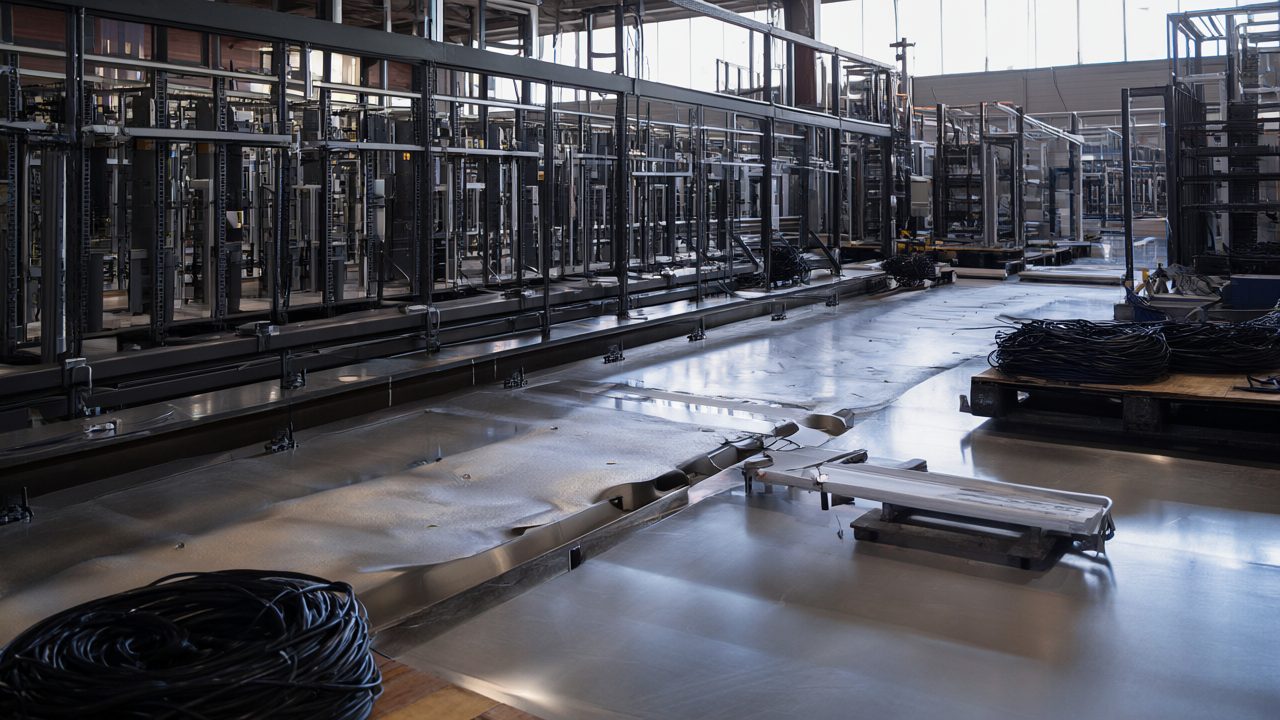
In practice, this means that the customer receives not a construction site with contractors, but a ready-made block from the factory. This format shortens the time from order to launch, but requires the factory to operate reliably and deliver modules on time. Rădulescu says production will be ramped up gradually starting next year. The company already has two factories: one has been producing modules for several years, and the other is new. There are no other details about the second site in the article.
What remains unknown: exactly when the new factory will reach the stated 30 MW per day and how much one module will cost. There is no data on this in the article. It is also unclear whether Runware has signed contracts for such a volume of supplies.