
Olam Labs launched swarms of AI agents in Minecraft and Mindustry to study the behavior of multi-agent systems
Experiments with 25 GPT-6.1 Terra agents in Minecraft and runs in Mindustry: an open harness, roles and hierarchies within the swarm. What is known and what is not.
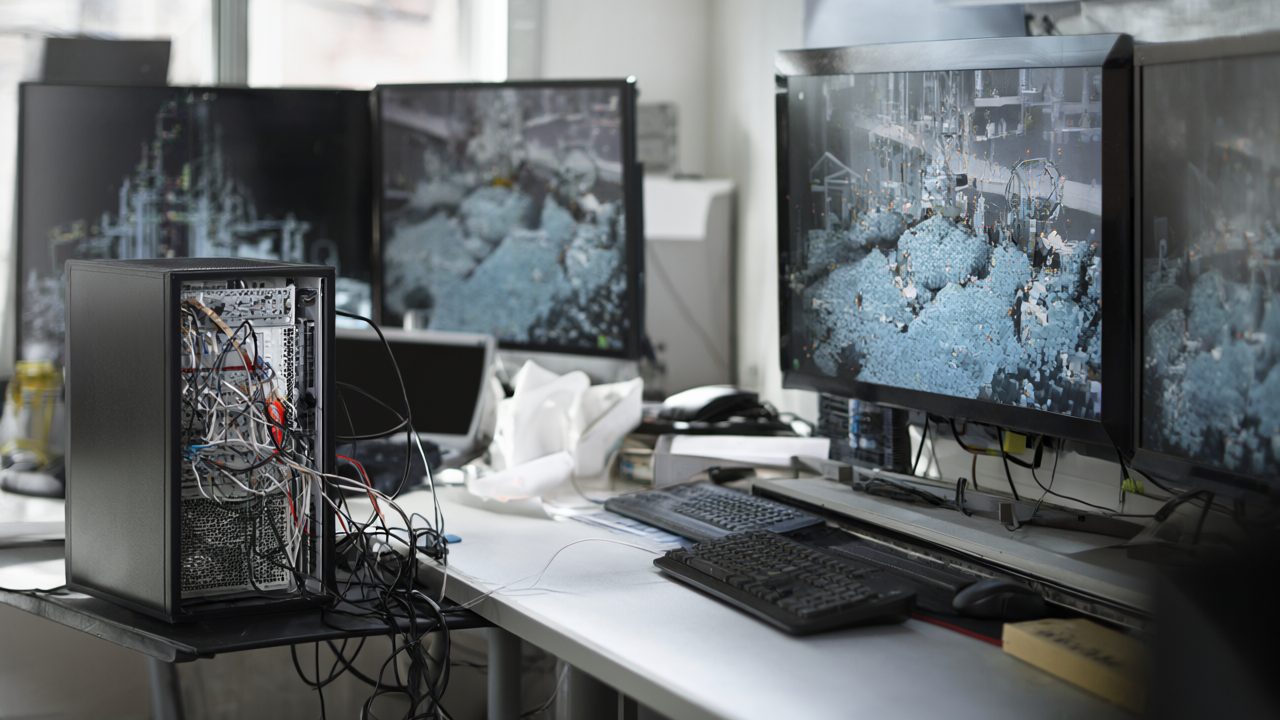
On October 30, 2026, the team of the Agents in Games project (experiment page), together with Olam Labs, which builds multi-agent environments for laboratories, reported on a series of experiments in Minecraft and Mindustry. A new colony in Minecraft with 25 agents on the GPT-6.1 Terra model is currently underway, with a stream on Twitch. The goal is to observe how swarms of agents (swarm — a group of autonomous agents with a shared task) behave over long horizons: distribute roles, build hierarchies, coordinate.
Minecraft was not chosen by chance. The open world gives the agent environmental threats and survival goals: food, shelter, resource scouting. The environment already has a history as a testing ground for AI — from OpenAI's work on video pretraining to Google DeepMind agents that defeated the Ender Dragon. There was no ready-made harness for long-lived agents in Minecraft, so it was written from scratch and open-sourced. The agent in the game observes the world, reasons, remembers, acts, sends messages, and writes or executes scripts. The main loop runs on Pi, interaction with the world is through tools based on Mineflayer; the authors call the approach related to advanced harnesses such as Hermes and OpenC.
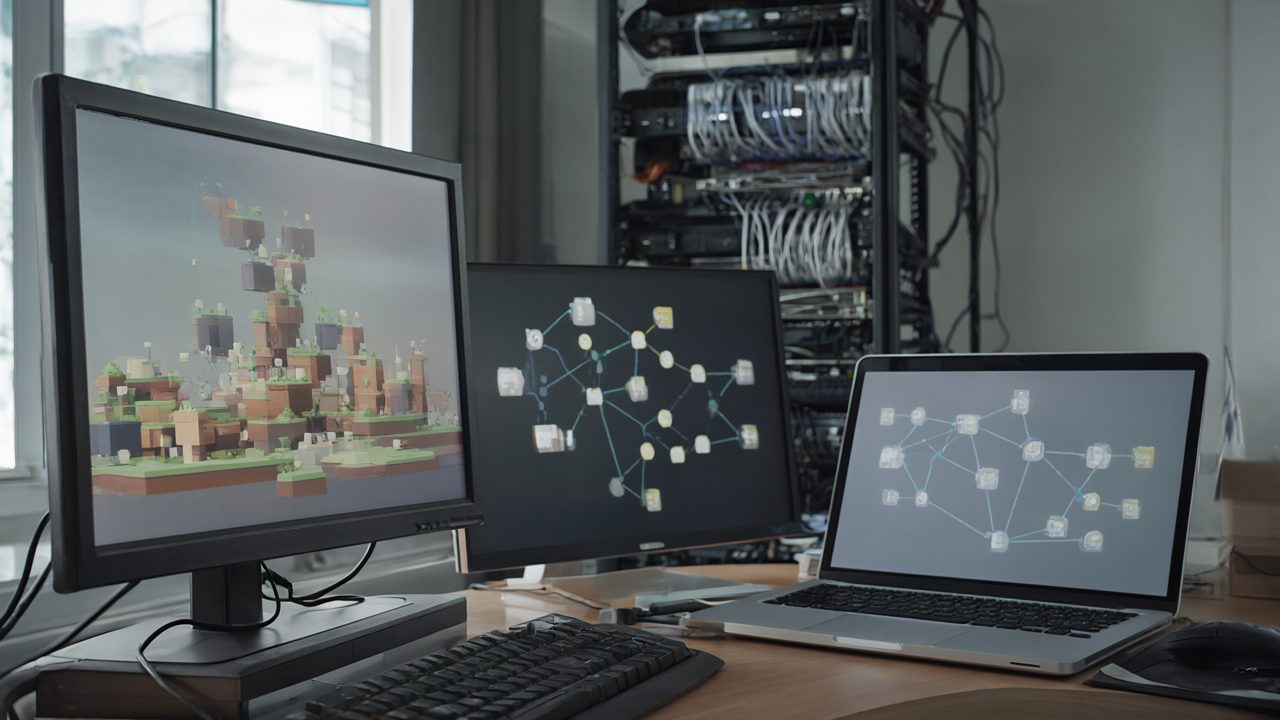
The difference from typical demos is that here they measure the dynamics of the group, not a single completion of tasks. The note directly links this to AI alignment (alignment — the task of bringing system behavior in line with intent): swarms can produce useful emergent (arising from interaction rather than explicitly specified) properties — an example given is a thousand agents that recently solved hundreds of open mathematical problems. And they can produce dangerous ones — as in the recent OpenAI and Hugging Face incident. Formal models describe the range of possible behavior; empirics show what happens in practice; the authors bet on the latter.
In practice, the open harness lowers the barrier to entry: one can reproduce a run and look at coordination logs without one's own infrastructure. For engineers, this is also a test of the robustness of long loops of "observe — reason — act" in environments where an agent's mistake costs resources inside the game.
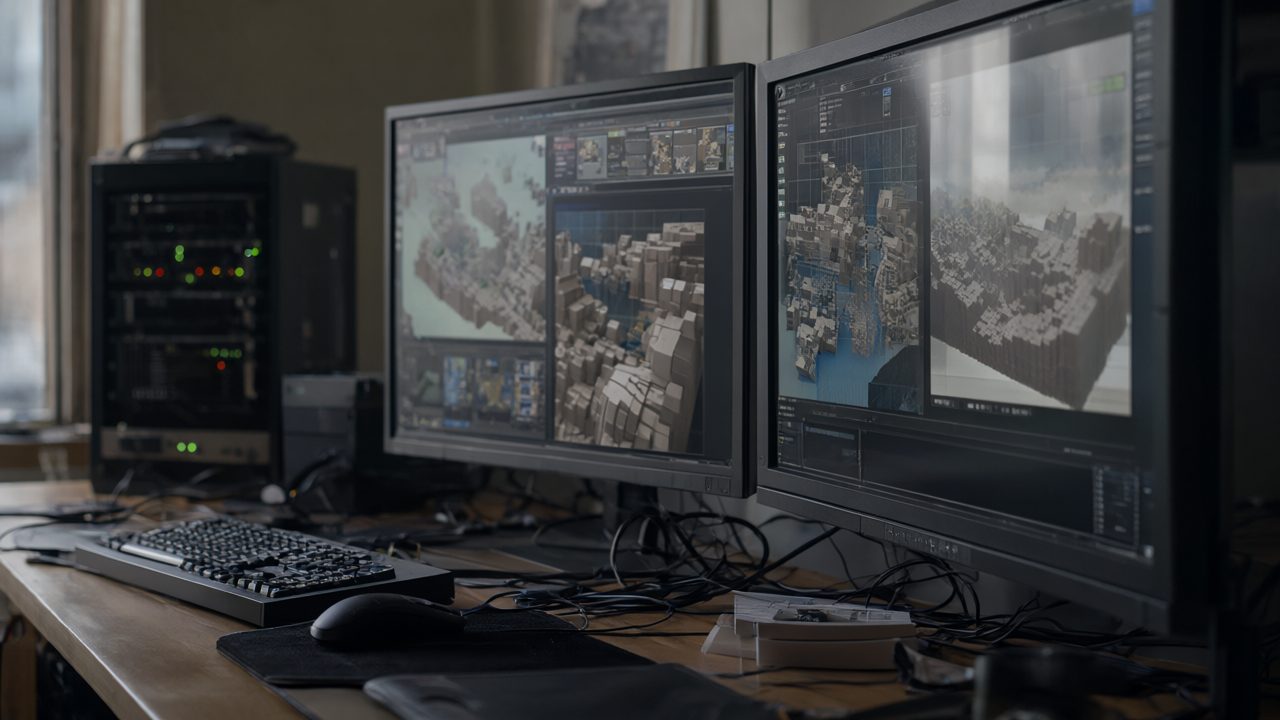
What remains unknown: the specific experiment metrics, the number of runs, and exactly which roles and hierarchies emerged among the 25 agents. For Mindustry, the note has neither configuration nor results — only the fact that the environment participated. The source also does not disclose details of the OpenAI and Hugging Face incident.