
USC CREATE Launches Study of Threats from AI, Drones, and Weather
The CREATE Center at the University of Southern California has announced a new research initiative to assess risks associated with artificial intelligence, drones, and extreme weather events. We break down what is known and how it works.
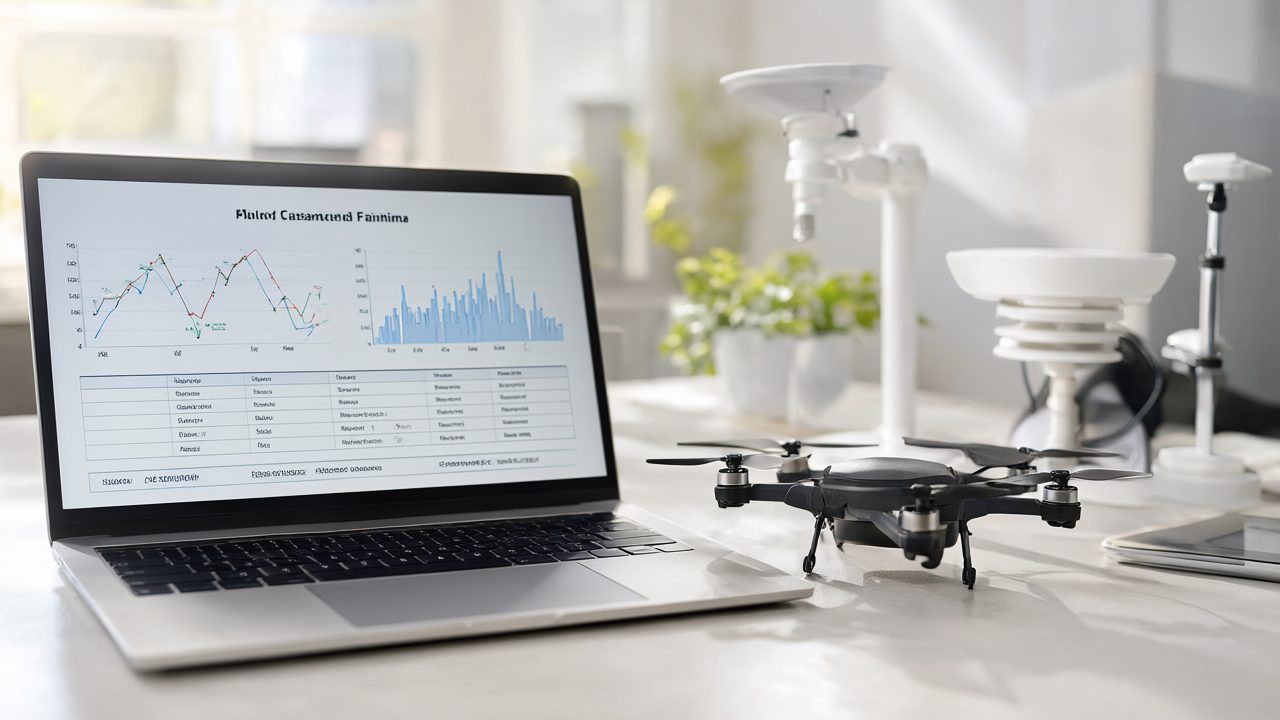
On October 30, 2026, the Center for Risk and Economic Analysis of Threats and Emergencies (CREATE) at the University of Southern California announced the launch of a new research initiative. It is dedicated to assessing emerging threats from artificial intelligence, unmanned aerial vehicles, and severe weather (extreme weather events). CREATE was established after the September 11 attacks to support the US in developing cost-effective countermeasures against threats.
The new initiative continues this mission, but the focus shifts to technologies and natural factors that can create cascading risks. Below is what is known about the project and how such research is structured.
What CREATE is and what it did before
CREATE is a research center founded after 9/11. Its task is to help authorities assess threats and choose measures that provide maximum effect at reasonable cost. The center analyzes risks and economic consequences of terrorist attacks, natural disasters, and other emergencies.
CREATE's methods include quantitative assessment of probabilities and damages, scenario modeling, and cost-benefit analysis. For example, for a subway bombing threat, the center can calculate how much it costs to enhance screening and how much this reduces expected damage. This approach allows comparing different intervention options by effectiveness.
Until now, CREATE has mainly worked with terrorism and natural disasters. The new initiative expands the scope to technologies that are developing rapidly and can be used for both good and harm.
Why AI, drones, and weather are considered together
Artificial intelligence (AI) refers to systems that perform tasks typically requiring human intelligence: pattern recognition, text processing, decision-making. Drones are unmanned aerial vehicles that can be autonomous or remotely controlled. Extreme weather includes hurricanes, floods, droughts, heatwaves, and other phenomena that are intensifying due to climate change.
These three factors can reinforce each other. For example, drones can be used to monitor wildfires or floods, but they can also interfere with firefighting if they fly in the area of aviation operations. AI can process drone data and predict fire spread, but the same algorithms can be used to coordinate attacks. Weather creates conditions in which both drones and AI operate differently: strong wind limits flights, and cloud cover affects image quality.
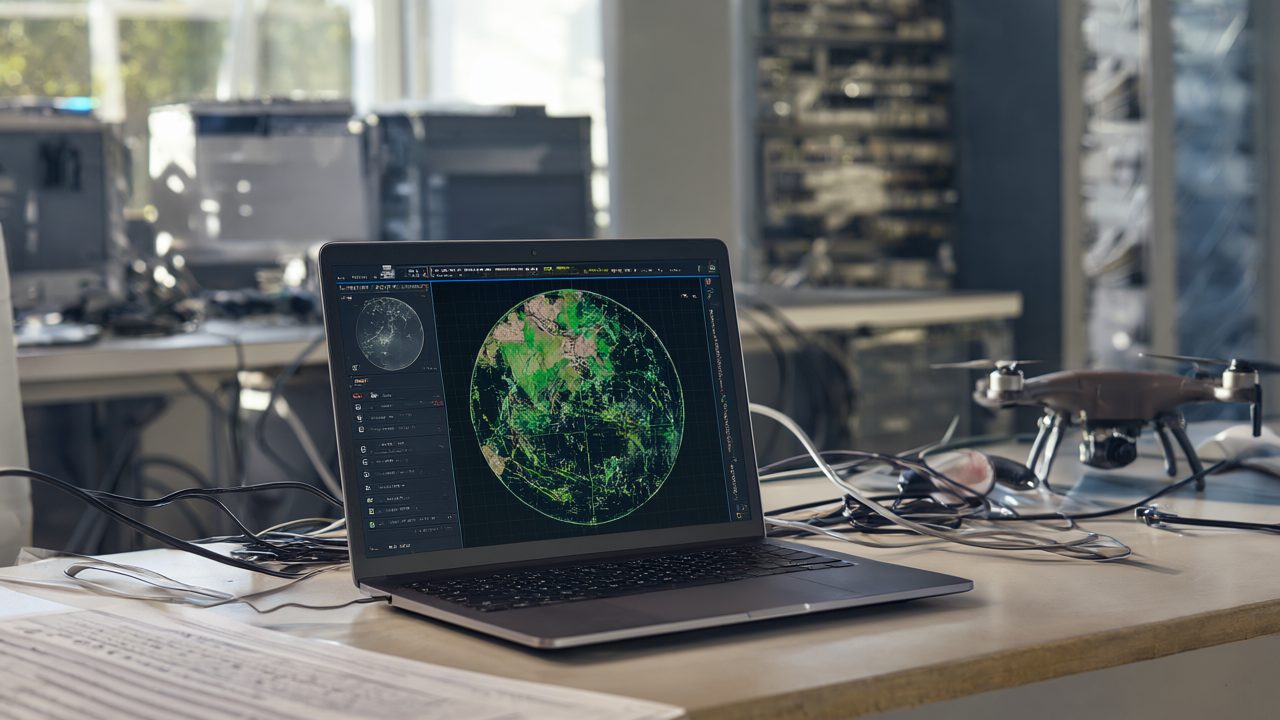
CREATE plans to study these interactions to assess risks in advance and propose measures. There are no specific project examples yet—data on which scenarios will be modeled has not been published.
How risks from new technologies are assessed
Risk assessment typically involves three steps: threat identification, probability assessment, and consequence assessment. For AI, this is difficult because systems can behave unpredictably. For example, a language model can generate convincing text used for phishing. The probability of such an event depends on model availability and user awareness.
For drones, the key parameter is accessibility. Currently, a drone can be bought for little money, and this creates the risk of unauthorized flights over critical infrastructure. CREATE can model how much protection against such flights costs: for example, installing electronic warfare systems or training security personnel. Comparing costs and expected damage is the center's standard method.
For weather, assessment relies on historical data and climate models. Extreme events are becoming more frequent, and this changes damage calculations. CREATE can estimate how much it costs to reinforce a dam against a flood that was previously considered unlikely.
Importantly, all three topics involve uncertainty. For AI and drones, statistics are still scarce, so researchers use expert judgments and scenario analysis. For weather, there is more data, but climate models produce a range. CREATE is known for honestly indicating uncertainty in its reports.
Example: what an analysis for drones and fires might look like
Imagine a scenario: a wildfire in California. Drones are used to scout ignition points. AI processes images and transmits coordinates to firefighters. If a drone flies too low or in the area of firefighting aviation, it creates interference. The risk is a collision or delay in firefighting.
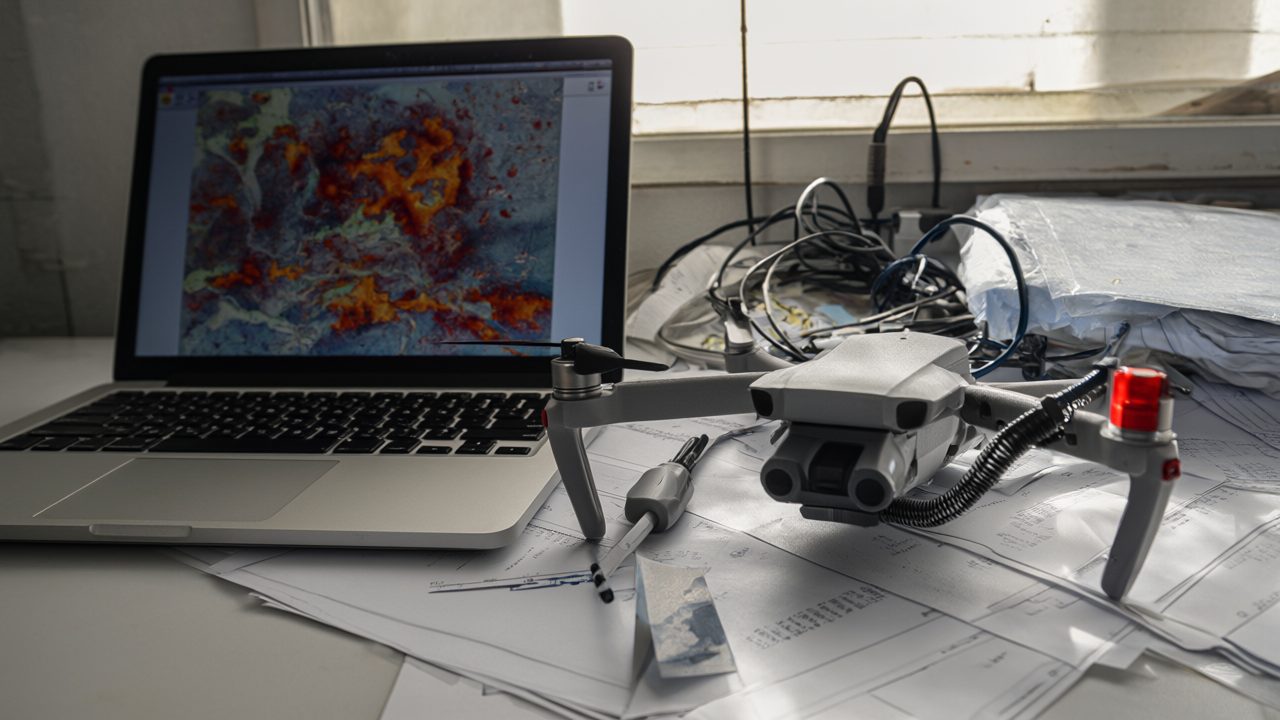
CREATE can estimate the probability of such an event under different flight rules. For example, a ban on flights within a 10 km radius of a fire reduces risk but slows reconnaissance. A balance must be found. The economic assessment includes the cost of lost hectares of forest and the cost of additional measures. There are no specific figures in open sources, so we do not provide them here.
Another example is using AI to predict floods. A model can err, and if evacuation decisions are based on it, the error is costly. CREATE can assess how high model accuracy must be for evacuation costs to be justified. This is a typical cost-benefit analysis task.
What to do about this
-
Follow CREATE's publications: the center usually releases reports and methodologies publicly. This helps understand which scenarios are considered most likely.
-
When developing policies on AI and drones, consider cascading effects: for example, that autonomous drones may operate differently in bad weather than piloted ones.
-
Do not wait for ready-made numbers: in new areas, data are scarce, so decisions will have to be made under uncertainty. It is useful to use scenario analysis, as CREATE does.
-
For businesses using drones or AI, conduct an internal risk assessment: what threats arise when technologies combine with weather factors. For example, how a drone will behave in strong wind.
-
Support open data sharing on drone incidents and AI failures. The more statistics, the more accurate future risk assessments will be.